

Pakistan’s textile capital raises the alarm.
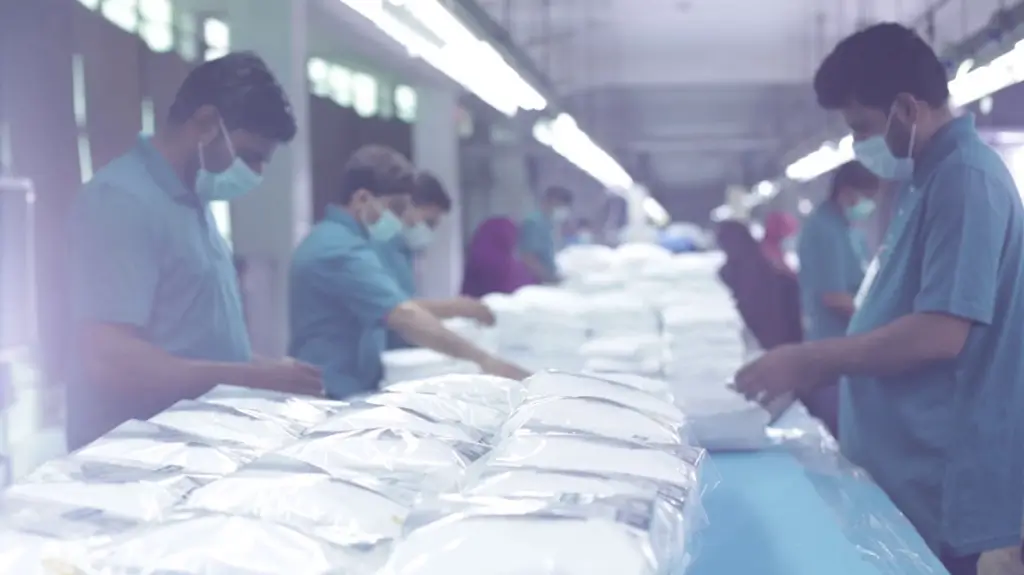
Faisalabad, long seen as the backbone of Pakistan’s industrial economy, is in one of its worst crises in recent memory. In a matter of 30 days, more than 25,000 workers have been laid off, creating shockwaves through the city’s manufacturing sector and raising urgent questions about the future of Pakistan’s most vital industry.
A Perfect Storm of Pressure
The figures themselves tell a grim story – but behind them is a mix of forces that have been quietly building for months.
Production has become increasingly unviable for factory owners already operating on thin margins as energy costs have rocketed. A broader slowdown in business activity has sapped demand at just the wrong time. And with global buyers tightening their budgets, export orders are getting harder to come by.
The result has been a torrent of factory closings and job cuts that shows no sign of abating.
For the workers stuck in the middle, the impact is profoundly personal. Now thousands of families who relied on these factories for their daily income confront an uncertain future, trying to make ends meet with no certainty when, or if their jobs will come back.
An Industry Too Important to Ignore
Pakistan’s textile sector is more than an industry. It is the motor of the national economy.
Textiles are a core part of Pakistan’s economic identity, making up a large share of the country’s total exports and employing millions of workers across the supply chain. Any serious disruption here doesn’t stay confined to factory floors – it ripples out to foreign exchange earnings, trade balances and the livelihoods of communities across the country.
Business leaders now warn that Pakistan faces consequences far beyond Faisalabad without decisive intervention.
What Industry Leaders Are Demanding
The textile sector representatives have made their stand clear that they need government support and they need it now.
They are demanding things in three areas:
Lower production costs, particularly energy tariffs that have rendered Pakistani factories uncompetitive against regional rivals such as Bangladesh, India and Vietnam.
Making it easier to do business, with policy stability, easier access to finance and less regulation so factories can plan and invest with confidence.
Preventing further closures, by deploying targeted relief measures before more factories have to close their gates for good.
The message from the industry has been consistent across the board, every week that passes without action raises the risk of a crisis spiraling out of control.
The Human Cost Behind the Headlines
Statistics can be very misleading. But every one of those 25,000 lost jobs is a real person, a breadwinner, a parent, a young worker who has built their life around stable factory employment.
Many of these workers are now looking for other ways to earn a living in an already stressed job market. Others are looking for casual work. Others are leaving in search of opportunity. And many are just sitting it out – hoping the factories will open up and things will return to normal.
But that hope is getting harder to keep hold of week by week.
The Road Forward
All experts agree on one thing: recovery is possible, but it requires urgency.
The sector could be balanced and the remaining jobs saved through a mix of friendly government policies, especially energy relief and longer term structural reforms. Investment in advanced production facilities and expanding export markets could also make Pakistani textile manufacturers more resistant to future shocks.
But time has a way of working against you. The longer the crisis continues without real intervention, the greater the damage and the more difficult the reconstruction.