

The political scenario of Khyber Pakhtunkhwa (KP) has changed completely. Provincial Government of Pakistan Tehreek-e-Insaf (PTI) removed from executive power after imposition of emergency and KP Governor Rule under Articles 232 and 234 of the Constitution.
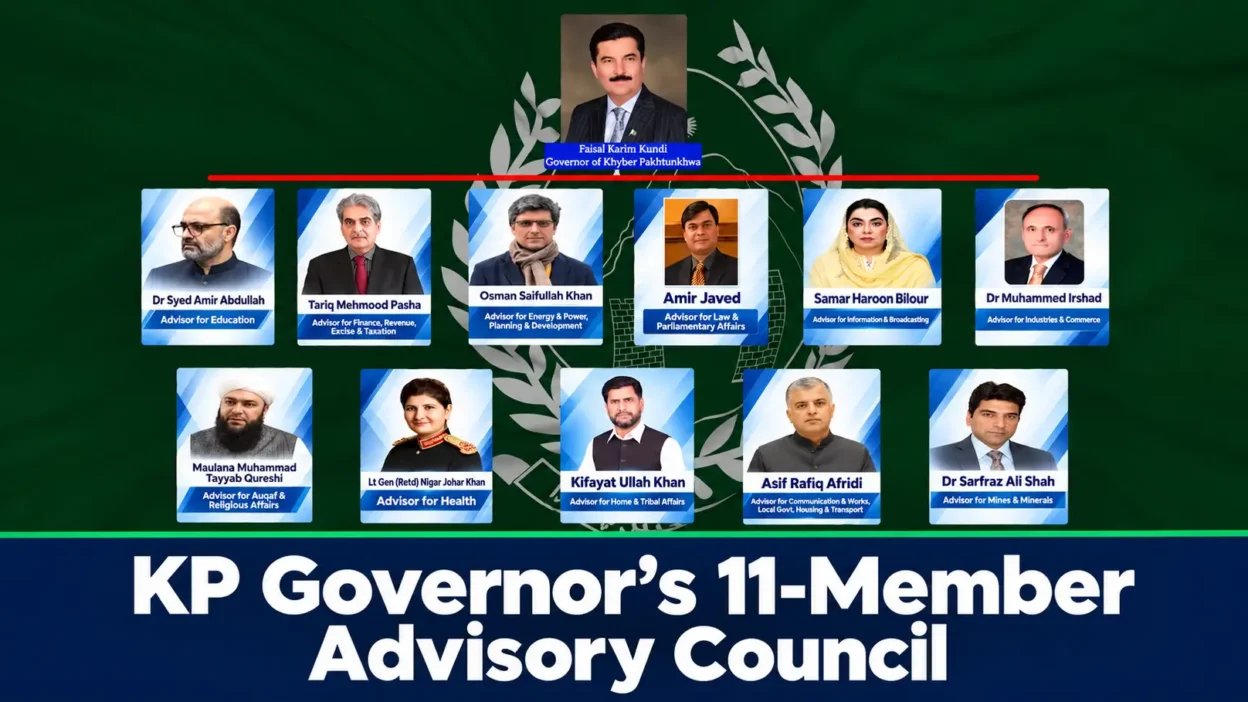
Governor KP Faisal Karim Kundi has taken over the administrative wheel, and is now running the province on behalf of the federal government. The federal government has appointed an 11-member technocratic Advisory Council to assist the province in navigating this turbulent transitional phase.
This blog post takes a behind the scenes look at what led to this massive shift, profiles Governor Kundi and uncovers the professional backgrounds of his new cabinet.
The Behind-the-Scenes: What Triggered Governor’s Rule?
The decision to impose Governor’s Rule was taken in view of rising tensions between the federal coalition and KP provincial government.
The main forces behind this change are:
- The Counter-Terrorism Friction: The federal government fired a sharp shot at serious administrative failures and a critical lack of engagement by the previous provincial government in addressing growing counter-terrorism and security challenges.
- Financial Management Challenges: The federal level had identified continuing issues with the province’s fiscal management, resulting in greater friction and requiring a sound administrative structure.
- The Shift to Technocratic Merit: The federal story is about replacing partisan governance with an objective, merit-based elite. This is the formation of a special council, where the current government wants to create a parallel and very effective structure, to effectively manage the governance of 12 identified emergency districts.
Governor Kundi while addressing the opening session of the Council said that the main objective of the administration was to eliminate terrorism and restore law and order as the absolute top priority.
Profiles:
- Governor Faisal Karim Kundi
- Role: Governor of Khyber Pakhtunkhwa (and Chief Administrator under Governor’s Rule).
- Bio: A prominent politician belonging to the Pakistan Peoples Party (PPP), Kundi has a long-standing footprint in national politics. He previously made history by serving as the youngest Deputy Speaker of the National Assembly of Pakistan (2008–2013). Known for his diplomatic stance within complex coalitions, he now holds absolute executive authority over the KP government’s functions during this emergency period.
Meet the 11-Member Advisory Council & Their Bios
The new advisory team prioritizes technocrats, retired military officers, and legal minds to steer key portfolios:
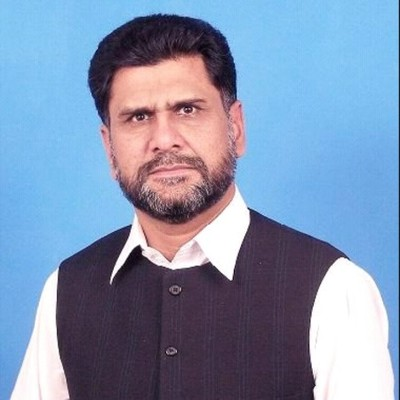
- Kifayatullah Khan: (Home & Tribal Affairs): Former IG of Prisons for KP and former Fata Tribunal Chairman.
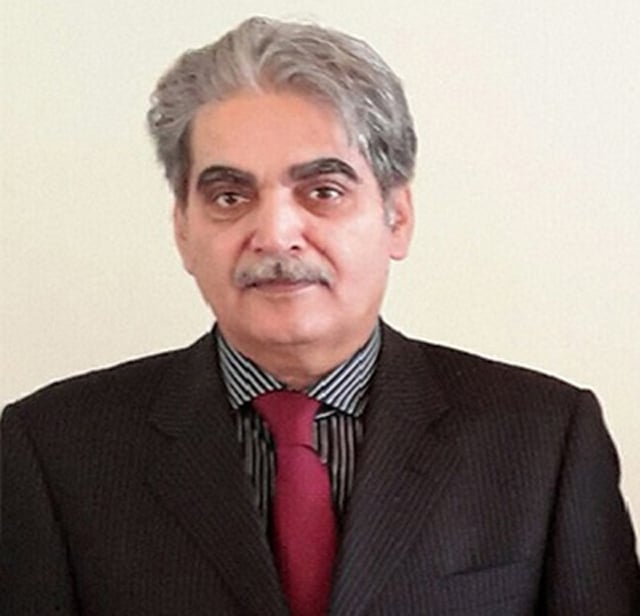
- Tariq Mahmood Pasha: (Finance, Revenue, Excise & Taxation): Former FBR Chairman.
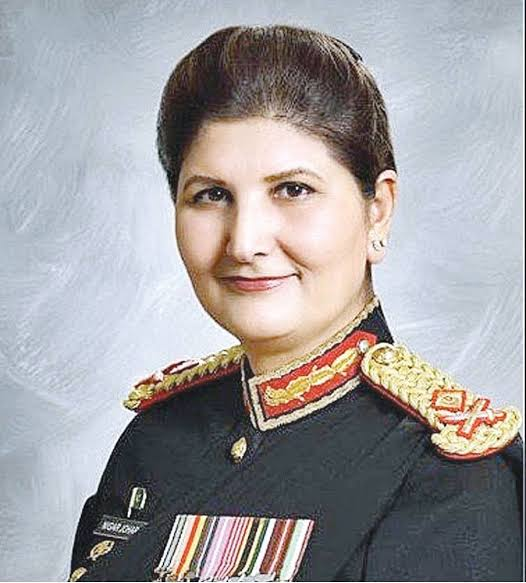
- Lt. Gen. Dr. Nigar Johar Khan (retd): (Health): First female three-star general in the Pakistan Army and former Surgeon General.
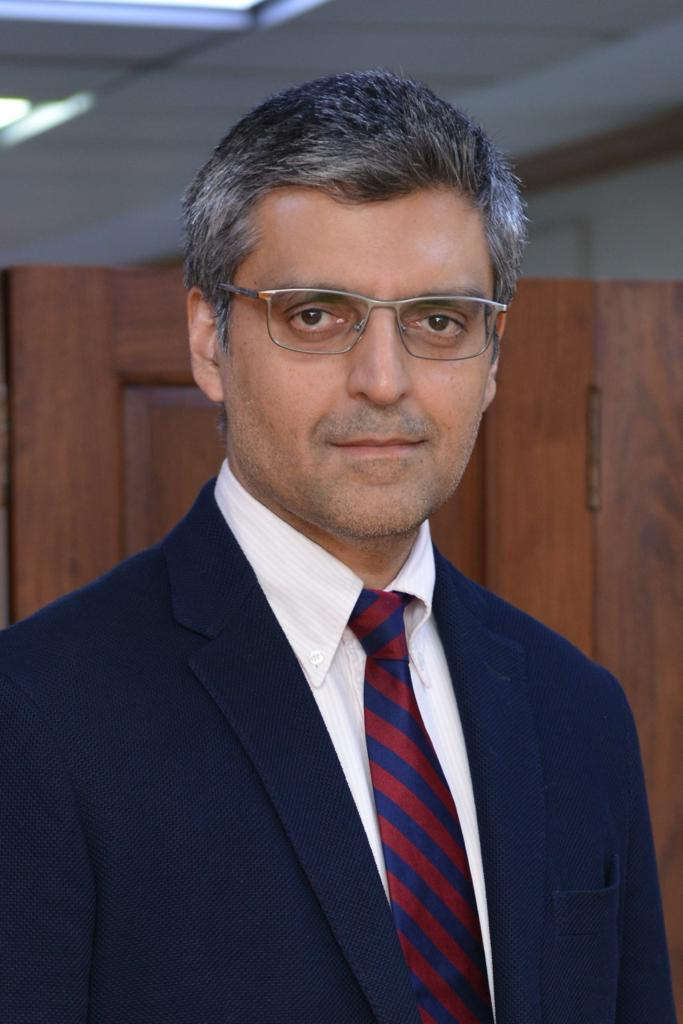
- Usman Saifullah Khan: (Energy, Power, Planning & Development): Corporate policy expert and former Senator.
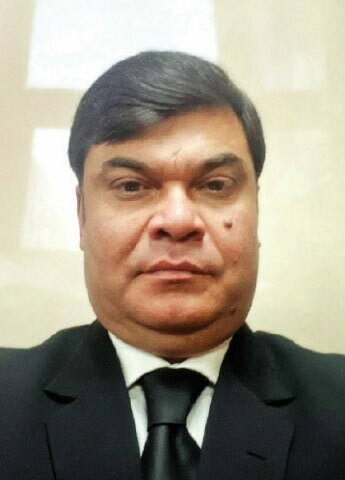
- Aamir Javed: (Law & Parliamentary Affairs): Former Advocate General of KP.

- Samar Haroon Bilour: (Information & Broadcasting): ANP politician and former provincial legislator.
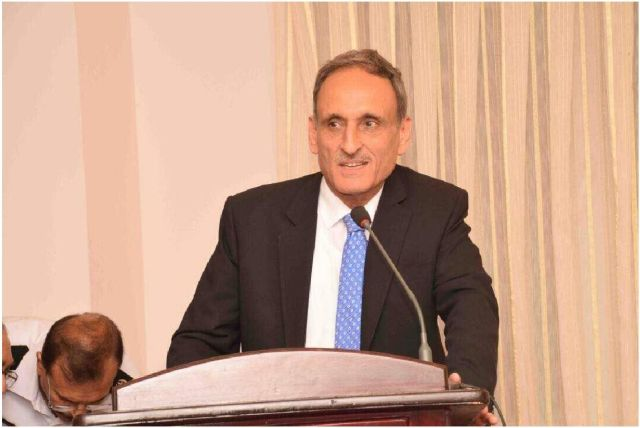
- Dr. Muhammad Irshad: (Industries & Commerce): Former FBR Chairman.

- Maulana Muhammad Tayyab Qureshi: (Auqaf & Religious Affairs): Principal of Jamia Ashrafia Peshawar.
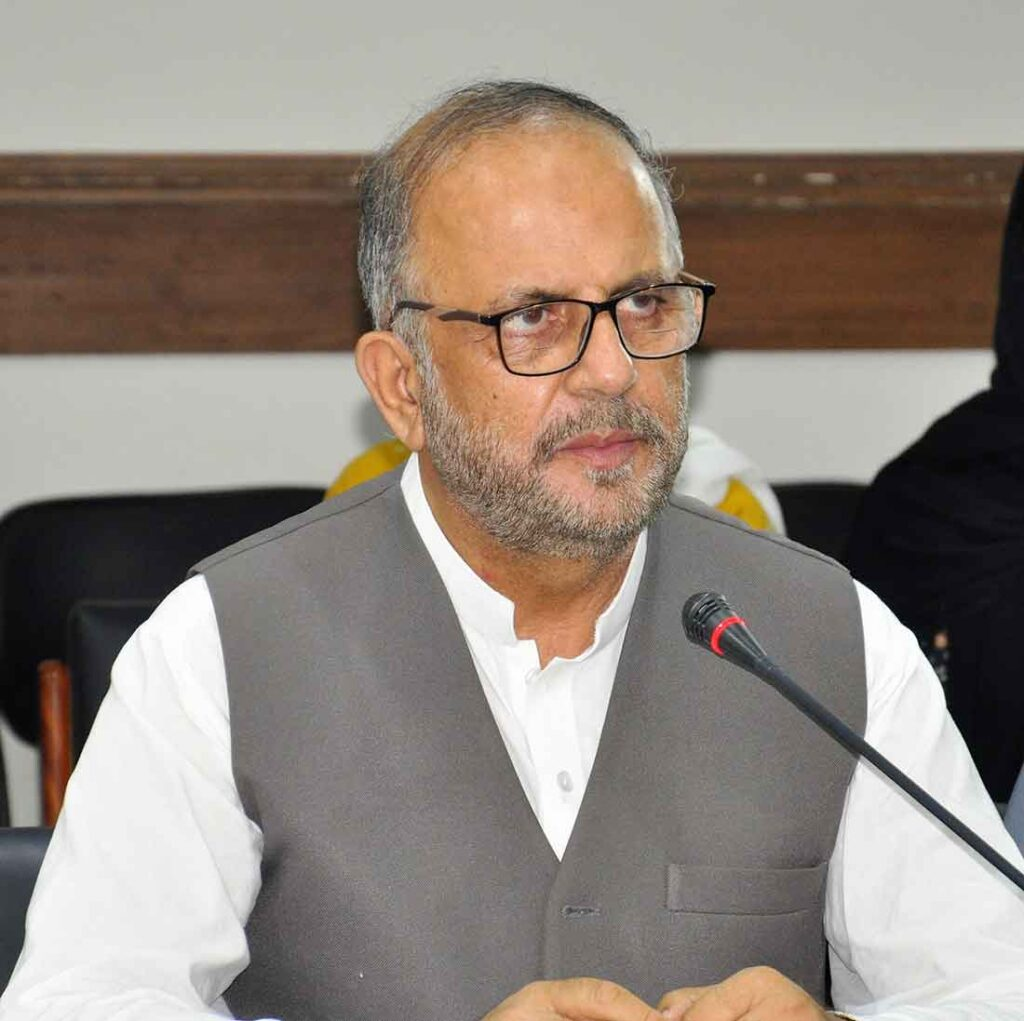
- Dr. Syed Aamir Abdullah: (Education)

- Dr. Sarfaraz Ali Shah: (Mines & Minerals)
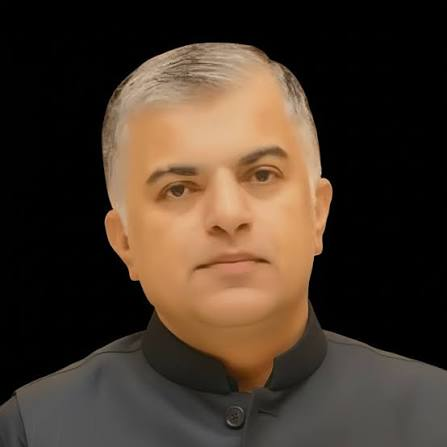
- Asif Rafiq Afridi: (Communications & Works, Local Government, Housing & Transport)
Summary of KP’s Transition of Power
| Feature | Details |
| Current Chief Administrator | Governor Faisal Karim Kundi |
| Legal Basis | Articles 232 & 234 of the Constitution (Emergency Rule) |
| Primary Stated Mandate | Counter-terrorism, law & order, and economic stabilization |
| Council Composition | 11 Members (Technocrats, Ex-FBR Chairmen, Retired General, Sector Experts) |
| Administrative Scope | Direct oversight of provincial portfolios and a new secretariat for 12 districts |
FAQs:
It is a constitutional mechanism (Articles 232 and 234) under which the federal government directly takes over a province through the Governor, dissolving the elected assembly and cabinet.
The Governor cannot run all the ministries on his own and there is a council of 11 members, which acts as a technocratic cabinet to look after the public services and reforms.
Temporary, pending the return of administrative and security stability.


